
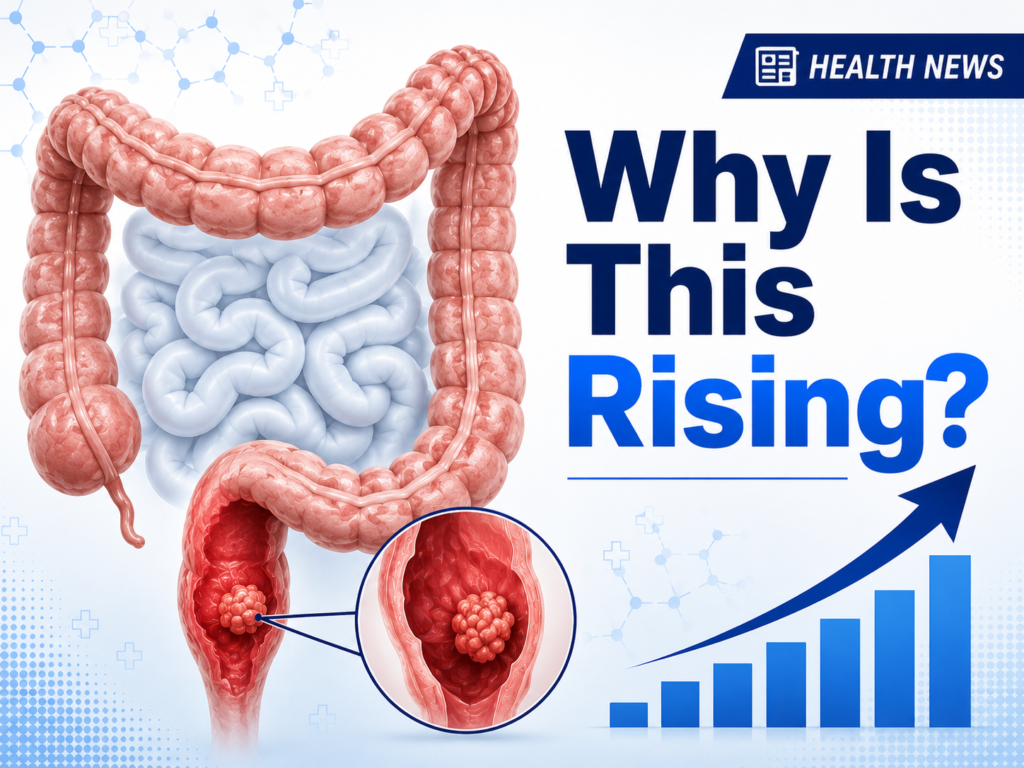
You're Not Too Young for Rectal Cancer
For many years, rectal cancer was considered a disease that primarily affected older adults. That assumption is no longer true.
Over the past two decades, doctors have seen a steady increase in rectal and colorectal cancer among people in their 20s, 30s, and 40s. Many of these individuals have no family history of cancer, live active lifestyles, and otherwise consider themselves healthy. Because both patients and healthcare providers may not initially suspect cancer in younger adults, diagnosis is often delayed until the disease is more advanced.
While the overall risk for a young adult remains relatively low, knowing the warning signs—and taking them seriously—can make a life-saving difference.
What Is Rectal Cancer?
Rectal cancer develops in the rectum, the final 5 to 6 inches of the large intestine just before the anus. It is closely related to colon cancer, and together they are referred to as colorectal cancer.
Most rectal cancers begin as small, noncancerous growths called polyps. Over several years, some polyps accumulate genetic changes that allow them to become cancerous.
When detected early, rectal cancer is often highly treatable.
A Growing Concern in Younger Adults
Historically, colorectal cancer was primarily diagnosed after age 50. Today, the picture has changed dramatically.
Researchers have found that:
- Colorectal cancer is now one of the fastest rising cancers among adults younger than 50.
- Approximately 1 in 5 new colorectal cancer diagnoses now occurs in adults younger than 55.
- Recent studies suggest that rectal cancer is increasing particularly rapidly among younger adults, raising concern among cancer specialists.
- Colorectal cancer has become the leading cause of cancer-related death in adults under age 50 in the United States.
Although scientists do not yet know exactly why this trend is occurring, the increase has been observed worldwide.
Why Is This Happening?
There is no single proven explanation.
Researchers believe multiple factors likely work together.
Possible contributors include:
- Diets high in ultra-processed foods
- Obesity
- Physical inactivity
- Changes in the gut microbiome
- Antibiotic exposure early in life
- Chronic inflammation
- Environmental exposures
- Genetic susceptibility
Importantly, many young adults diagnosed with rectal cancer have none of these obvious risk factors, reminding us that anyone can develop the disease.
You’re Never Too Young to Notice Symptoms
One of the biggest problems with early-onset rectal cancer is delayed diagnosis.
Many younger patients assume their symptoms are caused by:
- Hemorrhoids
- Stress
- Irritable bowel syndrome (IBS)
- Dietary changes
- Minor gastrointestinal infections
Unfortunately, these assumptions can delay appropriate testing.
Symptoms that deserve medical evaluation include:
1. Rectal bleeding
This is one of the most common warning signs.
Blood may appear:
- Bright red
- Dark red
- Mixed with stool
- On toilet paper
- In the toilet bowl
Even if hemorrhoids are present, persistent or recurrent bleeding should not automatically be attributed to them.
2. Changes in bowel habits
Watch for changes lasting more than a few weeks, including:
- New constipation
- Frequent diarrhea
- Alternating constipation and diarrhea
- Feeling that the bowel does not empty completely
3. Narrow stools
Persistently thin or pencil-shaped stools may occur if a tumor partially narrows the rectum.
This symptom alone does not diagnose cancer but should not be ignored when combined with other warning signs.
4. Abdominal or pelvic pain
Pain may be:
- Cramping
- Persistent
- Worse before bowel movements
- Associated with bloating
5. Unexplained weight loss
Losing weight without changing your diet or exercise habits deserves medical evaluation.
6. Fatigue
Slow bleeding from a rectal cancer can lead to iron deficiency anemia, causing:
- Fatigue
- Weakness
- Shortness of breath
- Lightheadedness
Rectal Bleeding Is Especially Important
Among younger adults, rectal bleeding is the strongest warning sign associated with colorectal cancer.
A large study presented to the American College of Surgeons found that:
- Rectal bleeding increased the odds of colorectal cancer by 8.5 times in adults younger than 50.
- Nearly 70% of younger patients diagnosed with colorectal cancer had no family history.
- Most diagnoses occurred because patients developed symptoms—not because of routine screening.
This does not mean that rectal bleeding usually indicates cancer. Hemorrhoids remain far more common. However, it does mean that persistent bleeding should never be ignored.
Do You Need a Colonoscopy?
Not everyone with rectal bleeding needs an immediate colonoscopy.
However, your healthcare provider may recommend one based on factors such as:
- Your age
- Your symptoms
- Family history
- Physical examination
- Blood work showing anemia
- Persistent or unexplained bleeding
Colonoscopy remains the most accurate test for identifying polyps, rectal cancer, and other causes of bleeding.
What About Screening?
Because of the increasing number of younger cases, screening recommendations have changed.
The American Cancer Society now recommends that adults at average risk begin colorectal cancer screening at age 45.
People at higher risk—including those with certain inherited syndromes, inflammatory bowel disease, or a strong family history—may need screening much earlier under the guidance of their healthcare provider.
Can Rectal Cancer Be Prevented?
No prevention strategy completely eliminates risk, but healthy lifestyle habits appear to reduce the likelihood of developing colorectal cancer.
These include:
- Eating more fruits and vegetables
- Limiting processed and red meats
- Exercising regularly
- Maintaining a healthy weight
- Avoiding smoking
- Limiting alcohol consumption
- Staying up to date with recommended screening
When Should You Seek Medical Care?
Schedule an appointment if you experience:
- Rectal bleeding
- Persistent changes in bowel habits
- Blood mixed within stool
- Ongoing abdominal pain
- Unexplained weight loss
- Iron deficiency anemia
- Fatigue without explanation
Seek urgent medical attention if you have:
- Heavy rectal bleeding
- Severe abdominal pain
- Dizziness or fainting
- Black, tarry stools
- Signs of significant blood loss
The Bottom Line
Rectal cancer is still uncommon in young adults, but it is no longer considered rare. The rising number of cases has changed how doctors think about symptoms in younger patients.
The most important message is simple:
Being young does not make you immune to rectal cancer.
Most episodes of rectal bleeding will not be cancer, but persistent bleeding, changes in bowel habits, unexplained anemia, or ongoing abdominal symptoms deserve medical evaluation. Early diagnosis greatly improves treatment options and outcomes.
Ignoring symptoms because you think you’re “too young” could delay a diagnosis when early treatment is most effective.
References
- American Cancer Society. Colorectal Cancer Screening Guidelines. https://www.cancer.org/cancer/types/colon-rectal-cancer/detection-diagnosis-staging/acs-recommendations.html
- American Cancer Society. Cancer Facts & Figures 2026. https://www.cancer.org/research/cancer-facts-statistics/all-cancer-facts-figures.html
- Yale Medicine: Colorectal Cancer—What Millennials and Gen Zers Need to Know
- American College of Surgeons: Rectal Bleeding in Young Adults Linked to 8.5 Times Higher Risk of Colorectal Cancer
- NIH PubMed Central: The Increase of Early-Onset Colorectal Cancer
- Cancer Research Institute: Colorectal Cancer Rates Are Skyrocketing in Young Adults