
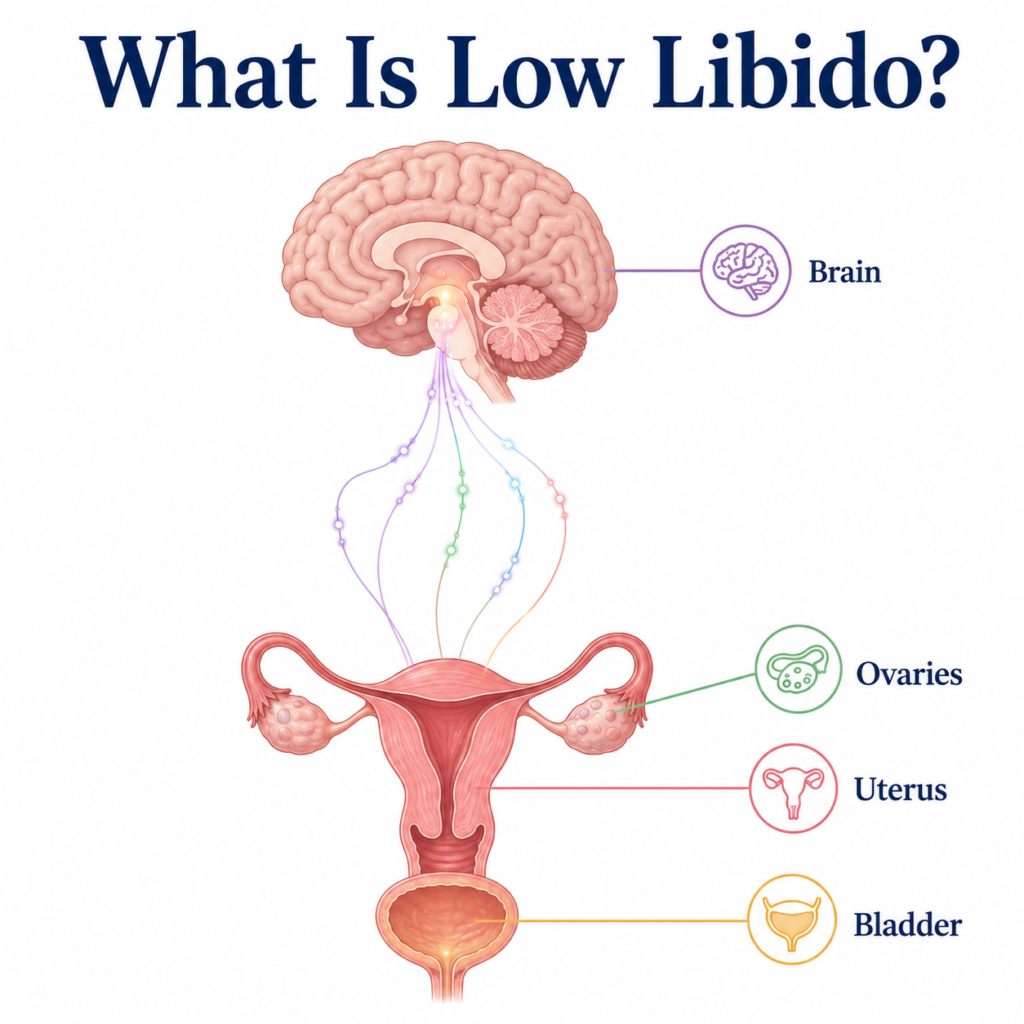
What Is Low Libido?
Low libido refers to a persistent decrease in sexual desire or interest that causes personal distress or affects relationships. While sexual desire naturally changes throughout life, ongoing low libido is not simply a normal part of aging and often has an underlying physical, emotional, hormonal, or relationship-related cause.
Low libido is common among women of all ages and can occur suddenly or gradually. Fortunately, many causes are treatable once identified.
How Common Is Low Libido?
Low sexual desire is one of the most common female sexual concerns.
Studies estimate that:
- Up to 40% of women report periods of decreased sexual desire.
- About 10% experience persistent symptoms that cause significant distress and meet criteria for Female Sexual Interest/Arousal Disorder (FSIAD).
- The condition becomes more common after menopause but can occur at any age.
How Female Sexual Desire Works
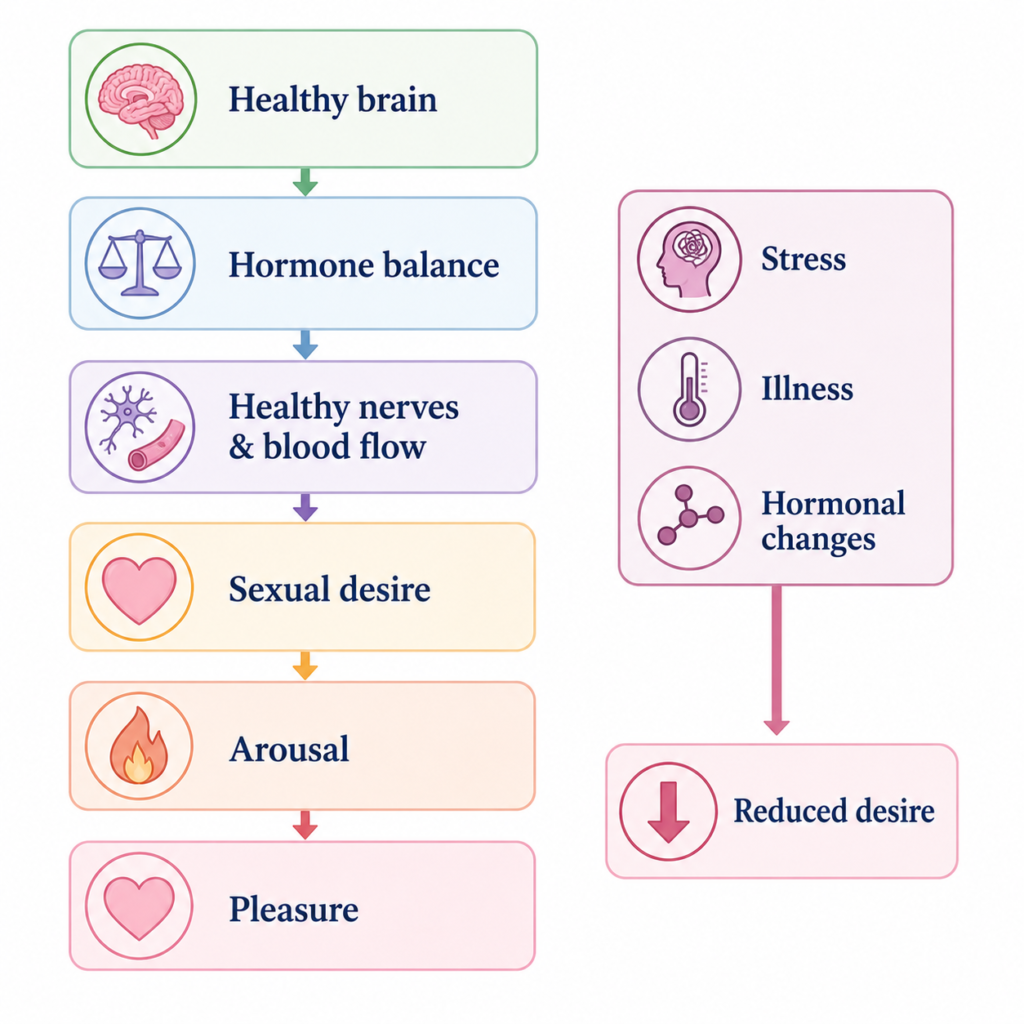
Healthy sexual desire depends on many systems working together.
These include:
- Brain
- Hormones
- Blood flow
- Nerves
- Pelvic floor muscles
- Emotional health
- Relationship satisfaction
- Overall physical health
Disruption of any one of these areas can reduce sexual interest.
Common Symptoms
Women with low libido may experience:
- Little or no interest in sexual activity
- Reduced sexual thoughts or fantasies
- Difficulty becoming aroused
- Less pleasure during intimacy
- Reduced response to sexual stimulation
- Avoiding sexual activity
- Feeling distressed by the change
- Relationship strain related to sexual concerns
Low libido is considered a medical concern only when it causes distress or negatively impacts quality of life.
Common Causes
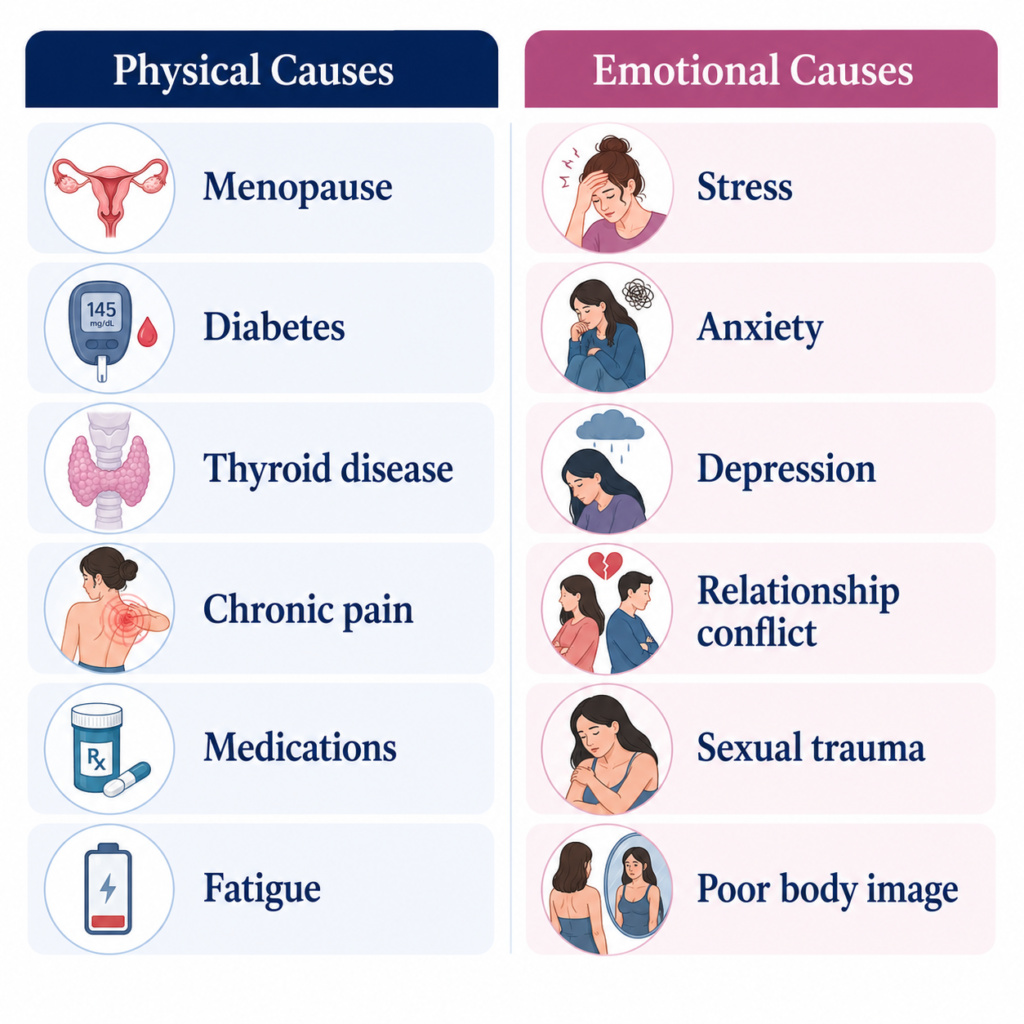
Hormonal Changes
Hormones play a major role in sexual desire.
Examples include:
- Menopause
- Perimenopause
- Breastfeeding
- Pregnancy
- Low estrogen
- Reduced testosterone levels
- Surgical removal of the ovaries
Medical Conditions
Many health problems can reduce sexual desire.
These include:
- Diabetes
- Thypertension
- Heart disease
- Obesity
- Thyroid disorders
- Chronic kidney disease
- Chronic pain
- Cancer
- Neurologic disorders
- Arthritis
Medications
Certain medications commonly affect libido.
Examples include:
- Antidepressants (especially SSRIs)
- Blood pressure medications
- Birth control pills
- Antiandrogen medications
- Opioids
- Some seizure medications
Do not stop prescription medications without speaking with your healthcare provider.
Mental Health
Emotional well-being strongly influences sexual desire.
Common contributors include:
- Depression
- Anxiety
- Chronic stress
- Poor body image
- Previous sexual trauma
- Low self-esteem
Relationship Factors
Sexual desire often depends on relationship health.
Potential contributors include:
- Poor communication
- Unresolved conflict
- Lack of emotional intimacy
- Mismatched sexual expectations
- Partner sexual dysfunction
Lifestyle Factors
Lifestyle habits also affect libido.
Examples include:
- Poor sleep
- Fatigue
- Excess alcohol
- Smoking
- Lack of exercise
- Chronic stress
Menopause and Low Libido
Many women notice changes around menopause because estrogen levels decline.
This can lead to:
- Vaginal dryness
- Pain during intercourse
- Reduced blood flow to genital tissues
- Decreased arousal
- Difficulty reaching orgasm
Treating vaginal symptoms often improves sexual desire.
When Should You See a Healthcare Provider?
Consider scheduling an evaluation if:
- Symptoms last longer than several months
- Low libido causes distress
- Sexual problems affect your relationship
- You have painful intercourse
- Symptoms began after starting a new medication
- You notice menopause symptoms
- You have depression or anxiety
- You develop new medical symptoms such as fatigue, weight changes, or abnormal menstrual cycles
How Is Low Libido Diagnosed?
There is no single test.
Evaluation usually includes:
Medical History
Your clinician may ask about:
- Duration of symptoms
- Relationship concerns
- Stress levels
- Pregnancy history
- Menstrual history
- Medications
- Medical conditions
Physical Examination
A pelvic examination may be recommended if vaginal pain, dryness, or other symptoms are present.
Laboratory Testing
Depending on your symptoms, your healthcare provider may recommend:
- Thyroid testing
- Blood sugar testing
- Iron studies
- Hormone testing (in selected situations)
- Other testing based on your medical history
Routine hormone testing is not necessary for every woman with low libido.
Treatment Options
Treatment depends on the underlying cause.
Lifestyle Changes
Helpful strategies include:
- Regular exercise
- Getting enough sleep
- Managing stress
- Limiting alcohol
- Quitting smoking
- Maintaining a healthy weight
Address Medical Conditions
Optimizing treatment for chronic diseases can improve sexual health.
Examples include:
- Diabetes
- Thyroid disease
- Depression
- Chronic pain
Review Medications
Sometimes switching medications may improve libido.
Never stop medications without discussing options with your healthcare provider.
Vaginal Estrogen
Women with menopause-related vaginal dryness may benefit from local estrogen therapy if appropriate.
This may improve:
- Comfort during intercourse
- Vaginal health
- Sexual satisfaction
Counseling
Sex therapy or couples counseling can be helpful when emotional or relationship factors contribute.
Treatment may include:
- Communication strategies
- Cognitive behavioral therapy
- Stress management
- Trauma-focused therapy when appropriate
FDA-Approved Medications
For selected premenopausal women with acquired, generalized low sexual desire, prescription medications may be considered.
These include:
- Flibanserin
- Bremelanotide
These medications are not appropriate for everyone and should be discussed with a healthcare professional.
Can Testosterone Help?
Although testosterone contributes to female sexual desire, routine testosterone therapy is not recommended for most women.
In carefully selected postmenopausal women with diagnosed hypoactive sexual desire disorder, a specialist may consider testosterone therapy after discussing the potential benefits and risks.
Can Low Libido Be Prevented?
While not always preventable, you may reduce your risk by:
- Exercising regularly
- Managing chronic medical conditions
- Prioritizing sleep
- Managing stress
- Avoiding smoking
- Limiting alcohol
- Maintaining healthy relationships
- Seeking treatment for depression or anxiety
Should I have hormone levels checked?
Not always. Hormone testing is generally reserved for women whose history or symptoms suggest a hormonal disorder.
What Should You Do Next?
If you’ve noticed a persistent decrease in sexual desire, don’t assume it’s something you simply have to live with. Low libido is common and often has one or more treatable causes. A healthcare provider can help identify contributing factors, review medications, evaluate for underlying medical conditions, and recommend personalized treatment options. Addressing the root cause can improve not only sexual health but also overall well-being and quality of life.
References
Clayton AH, Goldfischer ER, Goldstein I, et al. Evaluation and Management of Hypoactive Sexual Desire Disorder. Journal of Women’s Health. https://www.liebertpub.com/journal/jwh
American College of Obstetricians and Gynecologists. Female Sexual Dysfunction. https://www.acog.org/womens-health
The Menopause Society. Sexual Health and Menopause. https://menopause.org/patient-education
International Society for the Study of Women’s Sexual Health (ISSWSH). Clinical Practice Guidelines. https://www.isswsh.org
UpToDate. Evaluation and management of low sexual desire in women.
American Family Physician. Female Sexual Dysfunction: Evaluation and Management. https://www.aafp.org/pubs/afp.html