
Why Doctors Sometimes Say "No"
When you’re not feeling well, it’s natural to hope for a specific medication, test, or treatment.
While physicians always take their patients’ concerns seriously, their responsibility goes beyond providing the treatment a patient requests. Their primary responsibility is to recommend care that is safe, appropriate, and supported by medical evidence.
Sometimes that means the answer isn’t the one a patient expected.
Your Safety Comes First
Every medical recommendation begins with one priority: your safety.
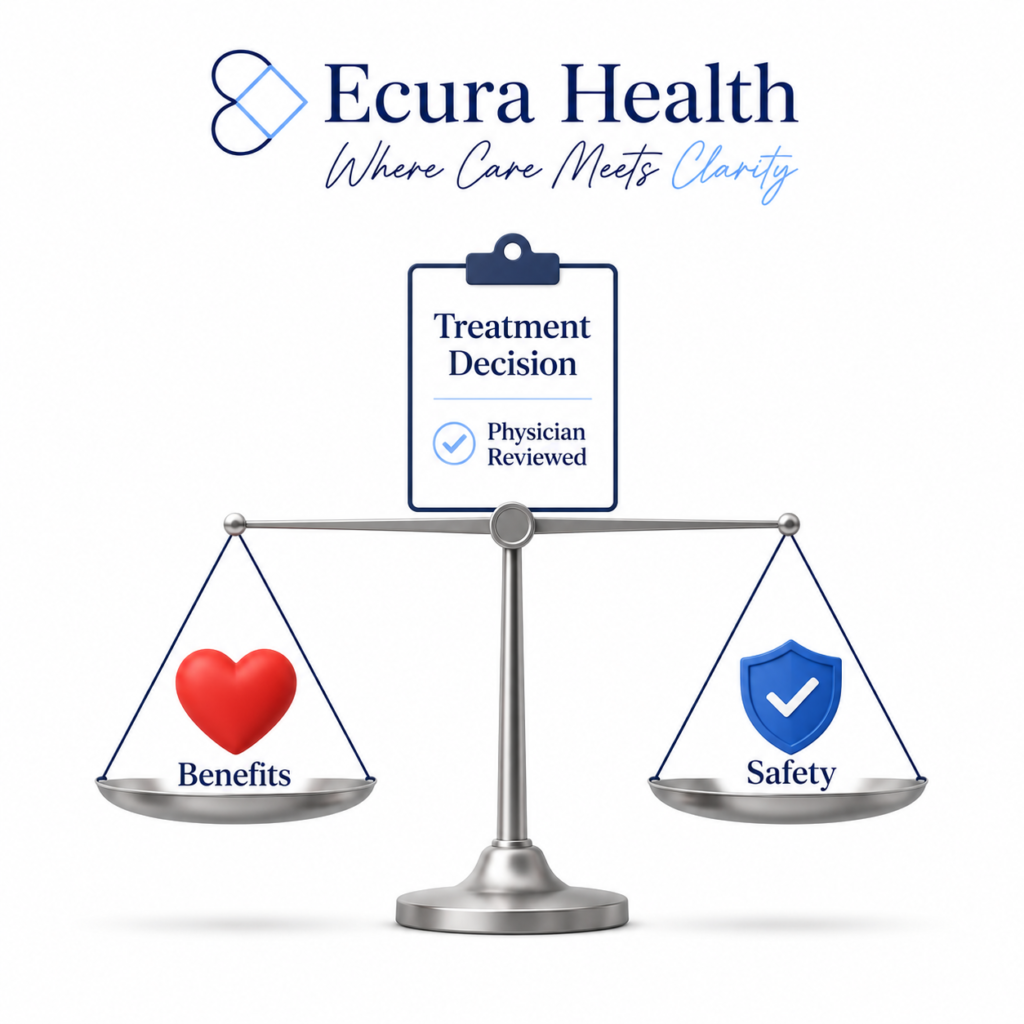
Before recommending any treatment, physicians consider whether it is likely to help, whether it is appropriate for your individual situation, and whether the benefits outweigh any potential risks.
The goal is always to provide care that is both safe and effective.
Every Decision Is Individualized
No two patients are exactly alike.
Even when people have similar symptoms, factors such as medical history, current medications, allergies, age, pregnancy status, previous treatments, and other health conditions can influence the safest treatment option.
That’s why physicians make recommendations based on the individual patient rather than using the same approach for everyone.
Medical Judgment Matters
Physicians don’t make recommendations based solely on symptoms.
They also consider:
- Your medical history
- Current medications
- Allergies
- Current medical evidence
- Established clinical guidelines
- The potential benefits and risks of treatment
Careful medical judgment helps ensure that recommendations are appropriate for your unique healthcare needs.
Sometimes the Best Recommendation Is Different Than Expected
Many patients begin a visit with a particular treatment in mind.
After carefully reviewing the available information, however, a physician may recommend a different approach.
This doesn’t mean your concerns aren’t being taken seriously. It means your physician believes another recommendation is safer or more appropriate based on your individual situation.
Safe Medicine Is Good Medicine
Every medication has potential risks and side effects.
Every diagnostic test has benefits and limitations.
Every medical decision involves weighing those risks and benefits.
One of the most important responsibilities of a physician is helping patients avoid unnecessary risks while recommending treatments that are supported by current medical evidence.
Practicing medicine safely is just as important as treating illness.
Building Trust Through Honest Recommendations
Trust is built when patients know their physician is making recommendations based on medical knowledge rather than convenience or expectations.
Sometimes the recommendation may be exactly what you expected.
Other times, it may be different.
In every case, the goal remains the same: providing care that places your health, safety, and long-term well-being first.
What Should You Do Next?
Explore our physician-reviewed Health Guides to learn more about common medical conditions, treatment options, preventive care, and the principles behind our approach to physician-led healthcare. The more you understand about your health, the more confident you’ll feel when making informed healthcare decisions.
References
Choosing Wisely. An Initiative of the ABIM Foundation.
https://www.choosingwisely.org/Telehealth.HHS.gov. What Can Be Treated Through Telehealth?
https://telehealth.hhs.gov/patients/what-can-be-treated-through-telehealthHealth Resources and Services Administration (HRSA). What Is Telehealth?
https://www.hrsa.gov/telehealth/what-is-telehealthAmerican Academy of Family Physicians (AAFP). Choosing Wisely Recommendations.
https://www.aafp.org/family-physician/patient-care/clinical-recommendations/cw.htmlU.S. Food and Drug Administration (FDA). Medicines and You: Safe Medication Use.
https://www.fda.gov/drugs/information-consumers-and-patients-drugsMayo Clinic. Antibiotics: Are You Misusing Them?
https://www.mayoclinic.org/healthy-lifestyle/consumer-health/in-depth/antibiotics/art-20045720